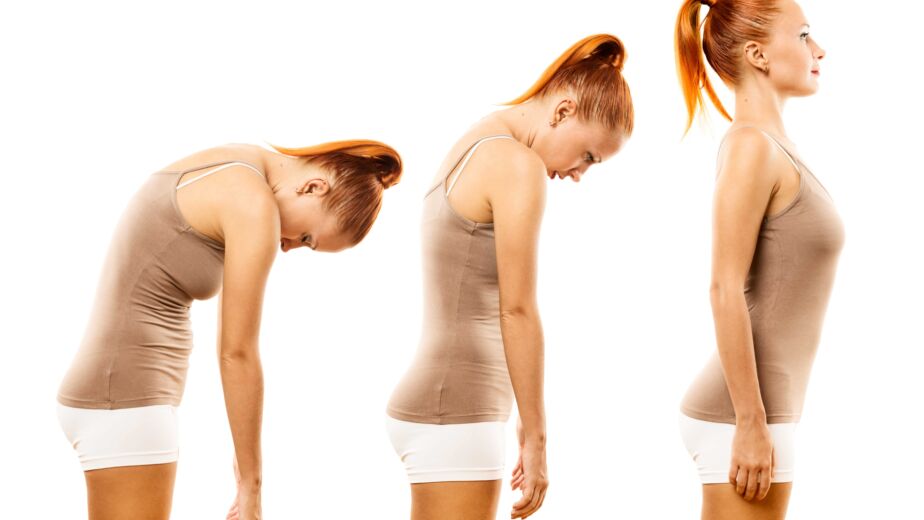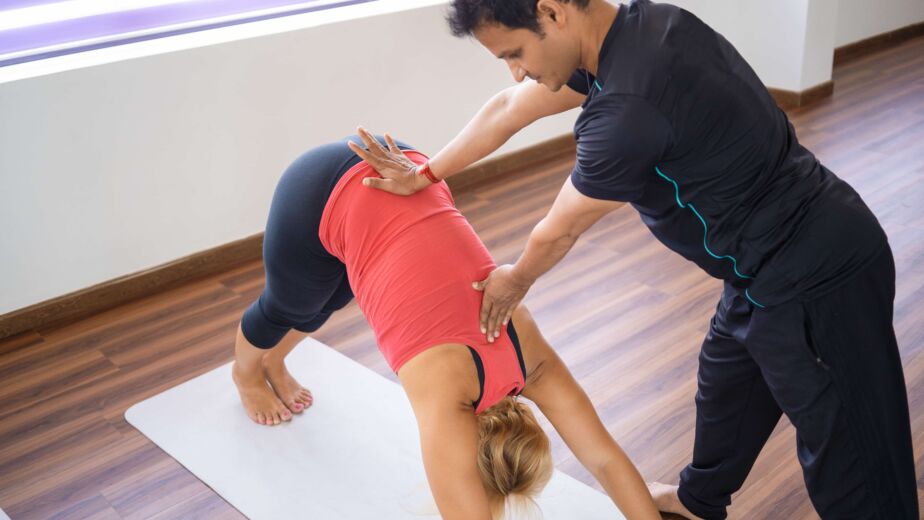
Women’s health is unique, dynamic, and constantly evolving through different life stages—from adolescence to pregnancy, postpartum, and menopause. Each stage brings its own set of challenges, particularly concerning physical health, posture, pelvic function, and overall mobility. Women’s Health Physiotherapy is a specialized branch of physiotherapy dedicated to addressing these issues, empowering women to recover, stay active, and live pain-free lives.
This article focuses on three core areas: prenatal physiotherapy, postnatal recovery, and pelvic floor rehabilitation—exploring their importance, benefits, and role in long-term well-being.
Understanding Women’s Health Physiotherapy
Unlike general physiotherapy, women’s health physiotherapy focuses on:
Pregnancy-related changes (back pain, pelvic pain, joint stiffness)
Postnatal recovery (abdominal separation, C-section recovery, posture issues)
Pelvic floor dysfunctions (urinary incontinence, prolapse, pelvic pain)
Hormonal and menopausal effects on musculoskeletal health
The aim is to restore strength, mobility, and confidence while ensuring women feel supported through their physical health journey.
Prenatal Physiotherapy: Supporting Pregnancy
Pregnancy is a beautiful but demanding journey, often accompanied by back pain, pelvic pressure, and fatigue due to hormonal and biomechanical changes. Prenatal physiotherapy helps women stay strong and manage discomfort.
Benefits of Prenatal Physiotherapy
Pain Management
Reduces lower back pain, pelvic girdle pain, and leg discomfort.Posture & Core Stability
Teaches exercises that support the spine and growing belly.Pelvic Floor Preparation
Strengthens muscles to support delivery and reduce postnatal complications.Safe Exercises
Custom routines keep women active without putting mother or baby at risk.Breathing & Relaxation Techniques
Improves oxygen flow and reduces stress during pregnancy.
Common Prenatal Exercises
Gentle core activation (safe abdominal work)
Pelvic tilts to relieve lower back pressure
Light resistance training for endurance
Safe stretches for hips and spine flexibility
Benefits of Postnatal Physiotherapy
Core & Abdominal Recovery
Helps heal diastasis recti and strengthen deep core muscles.Pelvic Floor Rehab
Treats urinary leakage, heaviness, or pelvic pain after childbirth.Pain Relief
Addresses joint stiffness, back pain, and postural imbalances.Improved Energy & Confidence
Encourages safe return to exercise, sports, and daily activities.
Pelvic Floor Rehabilitation: A Core Focus
The pelvic floor is a group of muscles supporting the bladder, uterus, and bowel. These muscles undergo tremendous strain during pregnancy, childbirth, and aging. Dysfunction here can cause:
Urinary incontinence (leakage while coughing, sneezing, or exercising)
Pelvic organ prolapse (a feeling of heaviness or bulging)
Painful intercourse or pelvic pain
Bowel control issues
Special Considerations Across Life Stages
During Pregnancy – Women may need modified exercise routines to protect joints and ligaments affected by hormonal changes.
Postpartum – Recovery time varies; physiotherapy is tailored to natural or C-section deliveries.
Menopause & Beyond – Reduced estrogen can weaken pelvic muscles and bone density; physiotherapy offers solutions to maintain strength and balance.
When to See a Women’s Health Physiotherapist
You should consider consulting a specialist if you experience:
Persistent back or pelvic pain during or after pregnancy
Difficulty regaining core strength
Urinary leakage or pelvic heaviness
Pain during intimacy
Concerns about posture or recovery after childbirth
Early intervention prevents long-term complications and ensures a smoother recovery journey.
Conclusion
Women’s Health Physiotherapy plays a vital role in supporting women through pregnancy, postpartum, and beyond. With a focus on prenatal care, postnatal healing, and pelvic floor rehabilitation, physiotherapists provide personalized solutions that restore strength, improve confidence, and promote lifelong well-being.
Every woman deserves a healthy body that adapts to her life stages with resilience. By seeking specialized physiotherapy care, women can overcome challenges, stay active, and live pain-free—because health is not a luxury, it’s a necessity.