Physiotherapy has evolved significantly over the last few decades, introducing advanced techniques that go beyond traditional exercises and manual therapy. Among these, dry needling has gained popularity for its effectiveness in relieving musculoskeletal pain, reducing stiffness, and restoring mobility. Often confused with acupuncture, dry needling is a scientifically backed technique widely used by physiotherapists around the world to address chronic and acute pain conditions.
In this article, we’ll explore what dry needling is, how it works, the conditions it helps treat, benefits, safety considerations, and what to expect during a session.
What is Dry Needling?
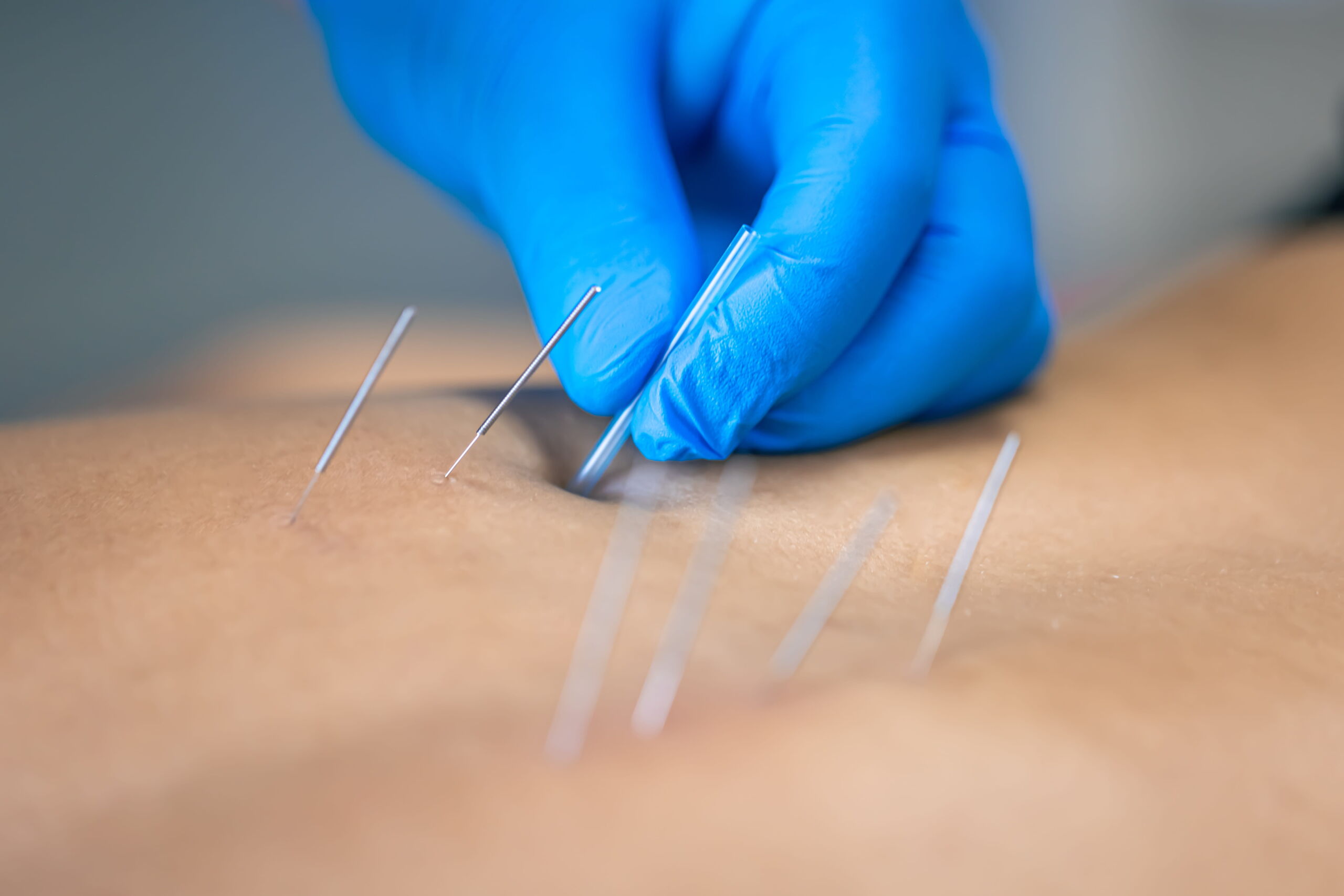
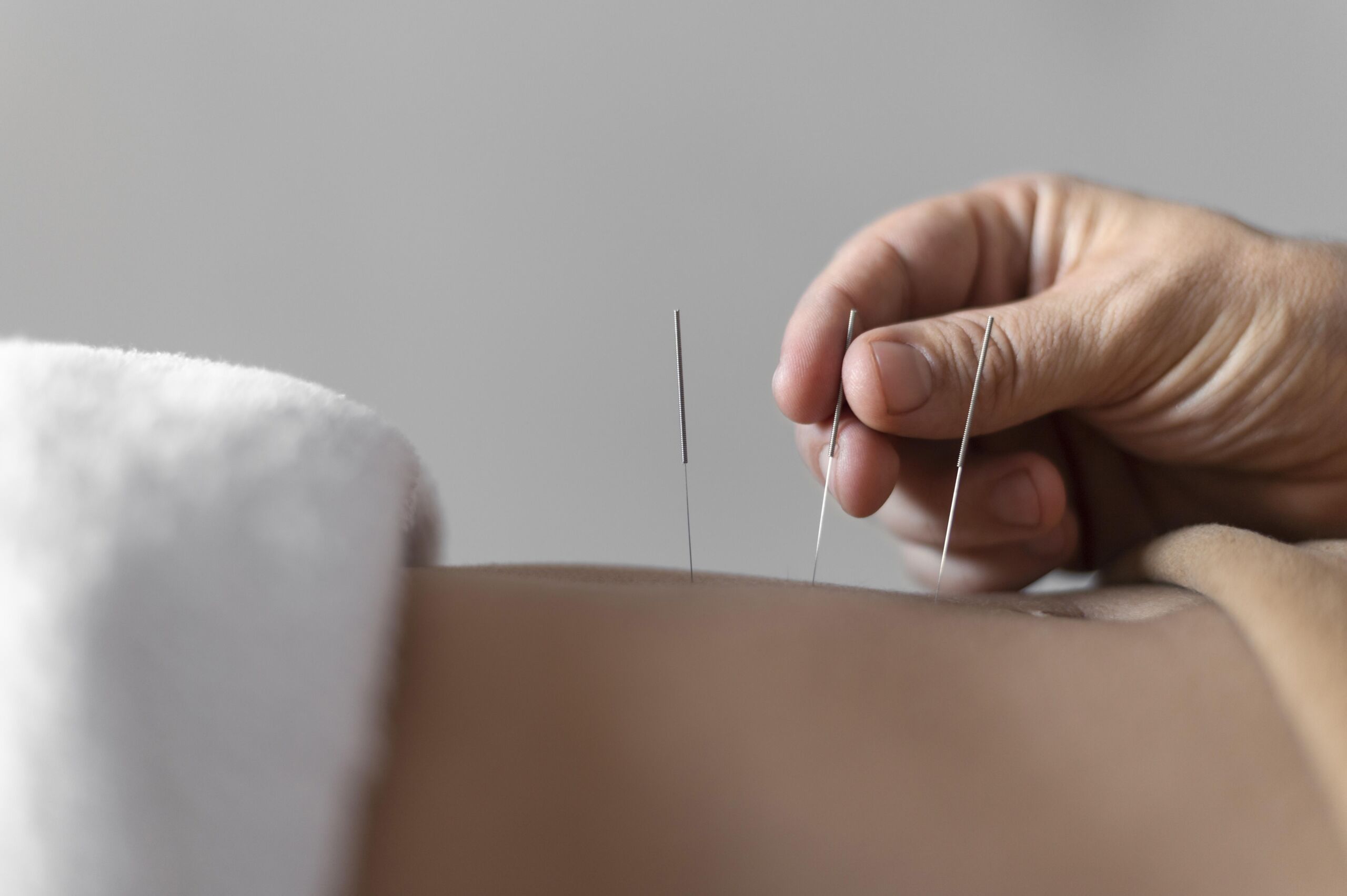
Dry needling is a minimally invasive physiotherapy technique that involves inserting thin, sterile filiform needles into trigger points—tight bands of muscle fibers that can cause pain, restricted movement, or referred discomfort in other areas of the body. Unlike acupuncture, which is rooted in traditional Chinese medicine, dry needling is based on modern anatomy and neurophysiology.
The goal of dry needling is to:
Release muscle tension
Improve blood circulation
Reduce nerve hypersensitivity
Restore normal movement patterns
When a needle is inserted into a trigger point or tight muscle band, it stimulates the body’s natural healing response. This causes:
Local Twitch Response (LTR): A brief contraction of the muscle fibers, which helps release tension.
Improved Blood Flow: Needling increases circulation in the affected area, bringing oxygen and nutrients to promote recovery.
Neurophysiological Reset: The technique reduces pain signals by influencing how nerves and muscles communicate with the central nervous system.
Endorphin Release: Dry needling can stimulate the release of endorphins—your body’s natural painkillers.
Conditions Treated with Dry Needling
Dry needling is widely used to treat various musculoskeletal and neuromuscular conditions, such as:
Chronic Neck & Back Pain – especially from poor posture or muscle imbalances
Shoulder Pain – including rotator cuff injuries and frozen shoulder
Headaches & Migraines – often caused by tension in neck or upper back muscles
Sports Injuries – hamstring tightness, calf strains, or repetitive overuse injuries
Knee & Hip Pain – common in athletes, runners, and elderly patients
Myofascial Pain Syndrome – muscle-related pain with palpable trigger points
Post-Surgical Muscle Tightness – aiding in faster rehabilitation
Benefits of Dry Needling
Fast Pain Relief
Many patients report noticeable pain reduction within just a few sessions.Improved Range of Motion
Releasing tight muscles allows freer, smoother movement.Accelerated Recovery
When combined with physiotherapy exercises, dry needling helps speed up rehabilitation from injuries.Drug-Free Treatment
It provides natural pain relief without relying on painkillers or invasive surgery.Versatile Application
From athletes to office workers with neck pain, dry needling benefits a wide range of people.
What to Expect During a Dry Needling Session
A typical dry needling session lasts between 15–30 minutes and is usually combined with other physiotherapy treatments such as manual therapy, stretching, or strengthening exercises.
Here’s what usually happens:
Assessment: The physiotherapist identifies painful areas and muscle trigger points.
Needling: Thin, sterile needles are inserted into the muscle. You may feel a slight prick or twitch response.
Aftercare: Mild soreness or bruising may occur, but this usually subsides within 24–48 hours.
Follow-Up Exercises: The therapist may prescribe stretching or strengthening exercises to maintain results.