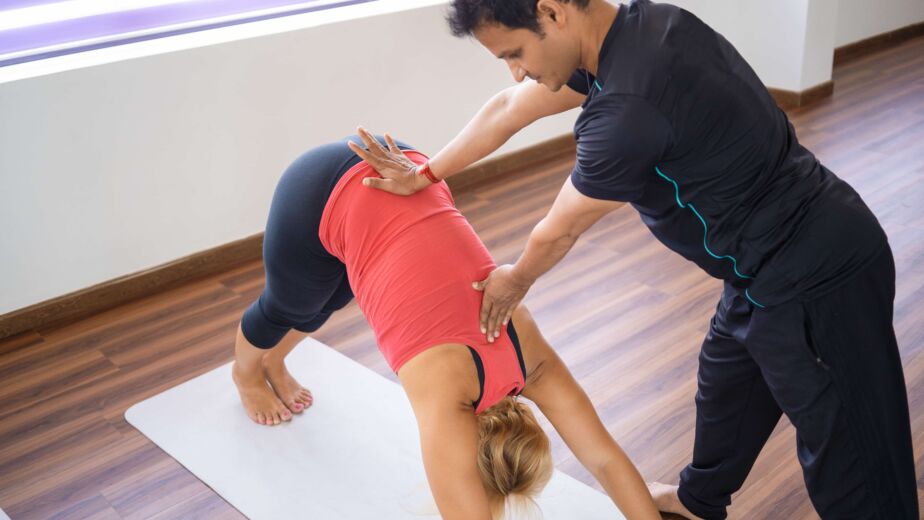

Sports and physical activities play a crucial role in maintaining overall health, boosting performance, and improving quality of life. However, athletes and fitness enthusiasts are often exposed to injuries ranging from mild sprains to serious fractures. This is where physiotherapy becomes a key element—not only in rehabilitation after an injury but also in preventing injuries before they occur. Physiotherapy uses evidence-based techniques to enhance strength, flexibility, and mobility, ensuring safe participation in sports while minimizing risks.
Understanding Sports Injuries
Sports injuries can result from sudden trauma (like falls, collisions, or twists) or from overuse (caused by repetitive stress on muscles and joints). Common sports injuries include:
Sprains and strains
Tendonitis
Ligament tears (e.g., ACL injuries)
Muscle tears
Stress fractures
Shoulder dislocations
Lower back pain
If not managed properly, these injuries can lead to long-term complications, reduced athletic performance, or even the end of a sports career. Physiotherapy plays a vital role in addressing these challenges holistically.
Physiotherapy in Injury Prevention
One of the most valuable contributions of physiotherapy is preventing injuries before they happen. A physiotherapist identifies potential risk factors and designs personalized programs to strengthen the body, improve flexibility, and enhance overall biomechanics.
1. Pre-Participation Screening
Physiotherapists conduct detailed assessments of posture, gait, muscle strength, and joint mobility. This helps in detecting imbalances or weaknesses that may increase the risk of injury. Corrective exercises are then prescribed to address these issues before an athlete begins intensive training.
2. Strength and Conditioning Programs
Strong muscles and joints are less prone to injury. Physiotherapists design sport-specific strengthening routines to build resilience. For instance, football players may benefit from hamstring and core strengthening, while swimmers require exercises to stabilize the shoulders.
3. Flexibility and Mobility Training
Tight muscles reduce range of motion and increase strain on joints. Stretching routines, dynamic mobility drills, and techniques like yoga or Pilates—guided by physiotherapists—help maintain proper muscle length and joint function.
4. Posture and Movement Correction
Poor posture and incorrect movement patterns (such as faulty running mechanics) can cause overuse injuries. Physiotherapists use tools like video gait analysis and functional movement screening to identify and correct these errors.
5. Education and Awareness
Physiotherapists also educate athletes about proper warm-ups, cool-downs, hydration, footwear, and ergonomics. Such awareness empowers individuals to take preventive measures independently.
Physiotherapy in Injury Management
When injuries occur, physiotherapy is central to effective recovery. It combines pain management, mobility restoration, and functional rehabilitation to ensure athletes return to their sport safely.
1. Pain and Inflammation Control
In the acute phase of injury, physiotherapists use techniques like ice therapy, ultrasound, electrotherapy, and gentle mobilization to reduce pain and swelling. This allows early initiation of rehabilitation.
2. Restoring Mobility and Flexibility
Injuries often cause stiffness and restricted movement. Physiotherapists employ manual therapy, joint mobilization, stretching, and progressive exercises to restore normal range of motion.
3. Strengthening After Injury
Rebuilding muscle strength is crucial to protect injured tissues and prevent recurrence. Physiotherapists guide gradual strengthening exercises, starting with low-resistance movements and progressing to sport-specific drills.
4. Neuromuscular Re-Education
Injuries can disrupt coordination and balance. Physiotherapists use balance boards, agility drills, and proprioceptive training to retrain the nervous system, ensuring athletes regain confidence in their movements.
5. Functional and Sport-Specific Rehabilitation
Toward the end of recovery, physiotherapy focuses on mimicking real sports movements—such as sprinting, jumping, or throwing—under controlled conditions. This prepares athletes to return to competition without fear of re-injury.
6. Psychological Support
Injury recovery is not just physical; it often affects an athlete’s mental well-being. Physiotherapists provide motivation, set achievable goals, and help athletes overcome anxiety about returning to play.
Advanced Physiotherapy Techniques in Sports
Modern physiotherapy has evolved with advanced tools and methods that accelerate recovery and improve performance:
Dry Needling & Acupuncture – Relieve muscle tightness and pain.
Kinesio Taping – Supports muscles and joints while allowing movement.
Laser Therapy & Ultrasound – Promote tissue healing and reduce inflammation.
Hydrotherapy – Exercises performed in water to reduce load on joints.
Virtual Rehabilitation Tools – Motion sensors and apps that track recovery progress.
These approaches complement traditional physiotherapy, providing athletes with comprehensive care.